 Errors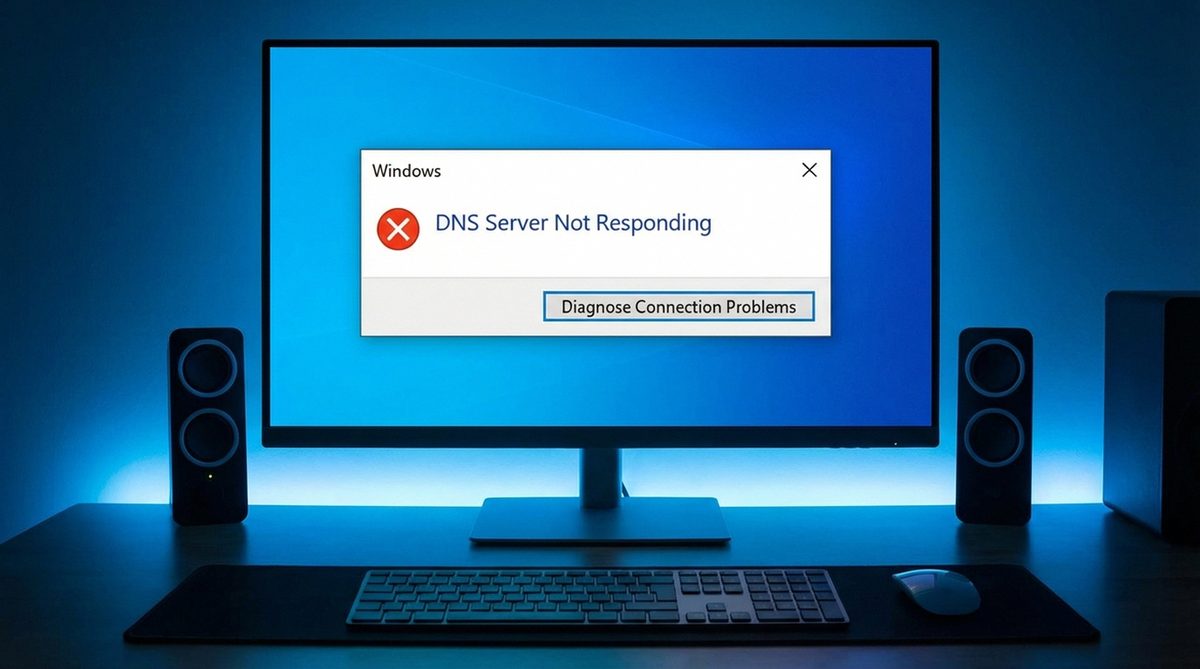
Fix DNS Server Not Responding on Windows 10, 11, and Wi-Fi requires the correct server addresses, port numbers, and authentication settings to establish a working connection. Many users encounter configuration errors because their email provider has changed server addresses after acquisitions, rebranding, or infrastructure updates, making outdated settings found on many websites no longer functional.
This guide provides the current, verified server settings along with step-by-step setup instructions for popular email clients including Microsoft Outlook, Apple Mail, Gmail app on Android, and the default Mail app on iPhone and iPad. Each configuration has been tested and confirmed working as of 2026.
If you have already configured your account but are experiencing connection failures, the troubleshooting section at the end covers the most common causes including app-specific passwords, two-factor authentication requirements, and security settings that block third-party email clients.
Check for the most common cause first: restart your device, ensure all software is updated to the latest version, and verify your internet connection is stable. If the problem persists, proceed with the detailed solutions below.
Fix DNS Server Not Responding on Windows 10, 11, and Wi-FiSet Up in Microsoft Outlook
Step 1: Open Microsoft Outlook and go to File > Add Account. Enter your full email address and click Advanced Options, then check Let me set up my account manually.
Step 2: Select IMAP as the account type. Enter the incoming mail server address and port number from the settings table above. Set encryption to SSL/TLS.
Step 3: For outgoing mail (SMTP), enter the SMTP server address with port 465 (SSL) or 587 (STARTTLS). Enable My outgoing server requires authentication and select Use same settings as incoming.
Step 4: Click Next and enter your password. If your provider requires app-specific passwords (due to 2FA), generate one from your email provider's security settings and use it instead of your regular password.
Set Up on iPhone and iPad
Step 1: Go to Settings > Mail > Accounts > Add Account > Other > Add Mail Account. Enter your name, email address, password, and a description.
Step 2: Tap Next. If automatic configuration fails, select IMAP and enter the incoming and outgoing server settings manually using the values from the table above.
Step 3: For the incoming mail server, enter the hostname, your full email as username, and your password. Repeat for the outgoing mail server section.
Step 4: Tap Save. If prompted about server identity verification, tap Continue. Test by sending a test email to verify both incoming and outgoing mail work correctly.
Set Up on Android
Step 1: Open the Gmail app or your default email app. Tap Add account > Other and enter your email address.
Step 2: Select Personal (IMAP) when prompted for account type. Enter the incoming server settings including the server address, port 993, and SSL security type.
Step 3: Enter the outgoing SMTP server settings with port 465 or 587 and the appropriate security type (SSL/TLS or STARTTLS).
Step 4: Enter your password, set your display name, and tap Done. The email app will verify the settings and start syncing your mailbox.
Why Does This Problem Happen?
This problem typically occurs due to a combination of factors rather than a single cause. Software conflicts, outdated drivers, corrupted system files, and incompatible hardware can all contribute to the error. In many cases, a recent system change — such as a Windows update, new software installation, or hardware modification — triggers the issue by disrupting previously stable configurations.
Understanding the timeline of when the error first appeared can help narrow down the cause. If it started after a specific update or installation, rolling back that change is often the most direct fix. If the error appears intermittently, it may be related to resource availability (memory, disk space, CPU load) or environmental factors (network connectivity, server availability).